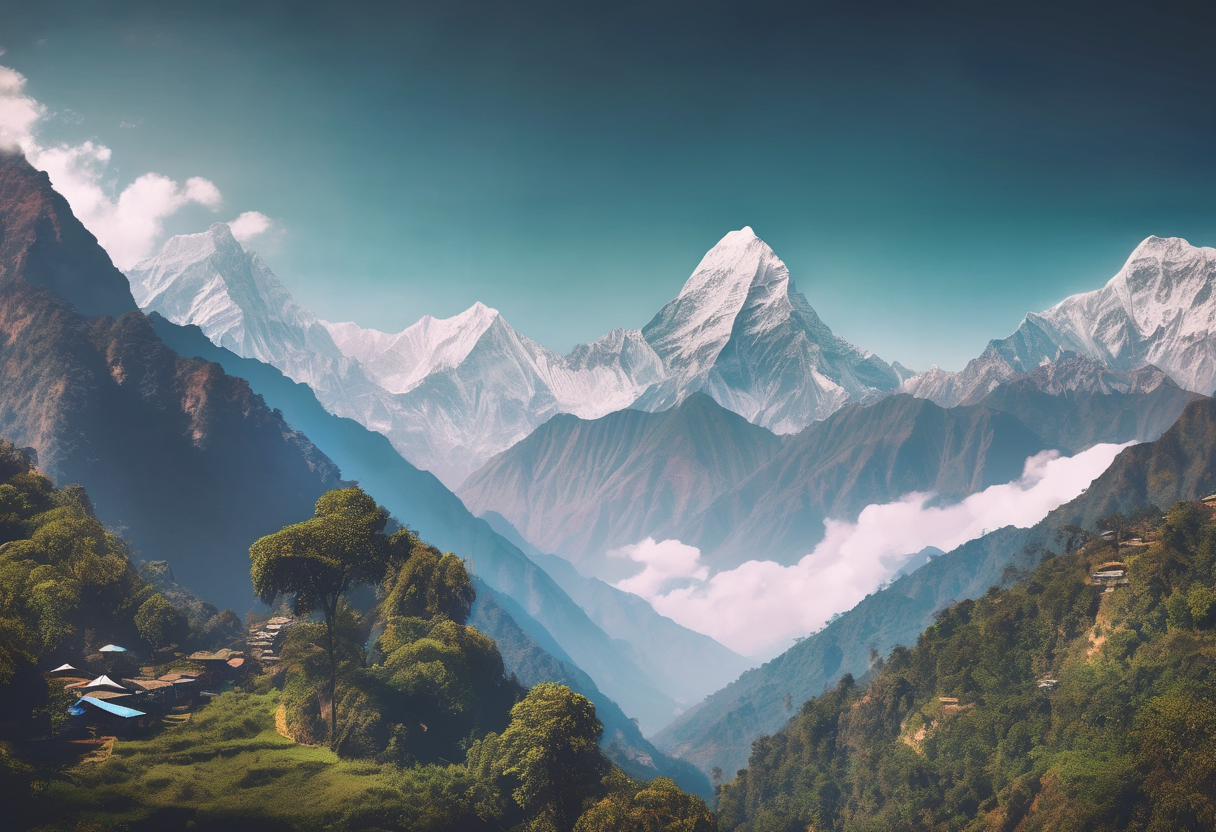
The Impact of Tourism on the Environment in Nepal
Nepal is a popular tourist destination, known for its beautiful landscapes, rich culture, and historical landmarks. However, the rise in tourism has greatly impacted the environment of this country. With an increasing number of tourists visiting each year, Nepal is facing numerous environmental challenges that threaten its fragile ecosystem.
The most significant impact of tourism on the environment in Nepal is the degradation of its natural resources. The influx of tourists has led to high demand for amenities such as water, energy, and land, resulting in overexploitation and depletion of these resources. This has caused water scarcity, deforestation, loss of biodiversity, and soil erosion. In addition, the construction of hotels, resorts, and other tourist facilities has led to the destruction of natural habitats and disruption of wildlife. The waste generated by tourists, including plastic bottles, food packaging, and other non-biodegradable items, is also a major environmental concern.
Another issue is the pollution caused by transportation. Tourists often use cars, buses, and other vehicles to travel around the country, contributing to air and noise pollution. This has a severe impact on the health of local communities and the natural environment. Furthermore, the increase in air traffic to Nepal has greatly increased carbon emissions, contributing to global climate change.
In conclusion, while tourism brings significant economic benefits to Nepal, the negative impact on the environment cannot be ignored. It is crucial for the government, tourism industry, and tourists themselves to take sustainable actions to minimize the ecological footprint of tourism in Nepal. By promoting responsible and eco-friendly practices, we can ensure that the natural beauty and resources of this country are preserved for future generations to enjoy.